About us

We believe that all children are unique and have individual needs, abilities and are welcomed from all cultures and backgrounds; including children with special educational needs.

We believe that the quality of parenting children receive during childhood and adolescence plays a major role in influencing their developmental competence and ultimately their life course trajectories. The parent–child relationship has a pervasive impact on children, and affects many different areas of development including language and communication, executive function and self-regulation, sibling and peer relationships, academic attainment, and mental and physical health.  Parents are therefore foundational and the investments in evidence-based parenting support programs will have great potential to enhance life course outcomes for both children and parents that can have major economic benefits to our entire community.

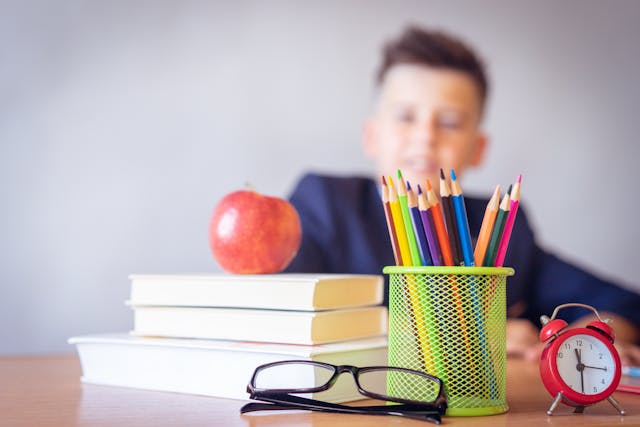
School supplies with apple
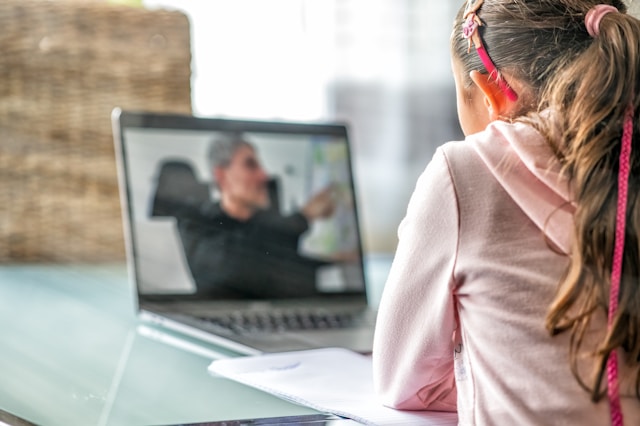
Virtual learrning
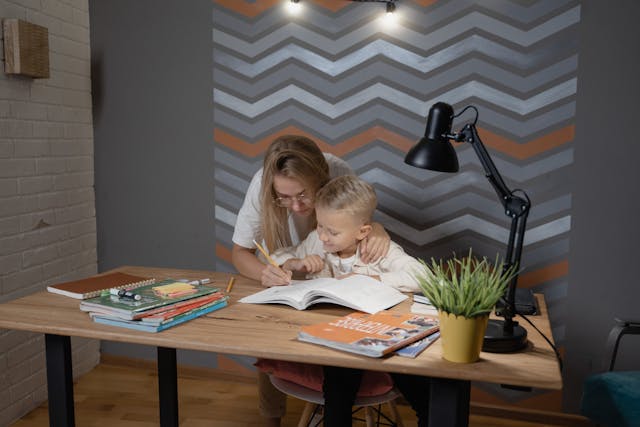
Mother teaching her son about his assignment
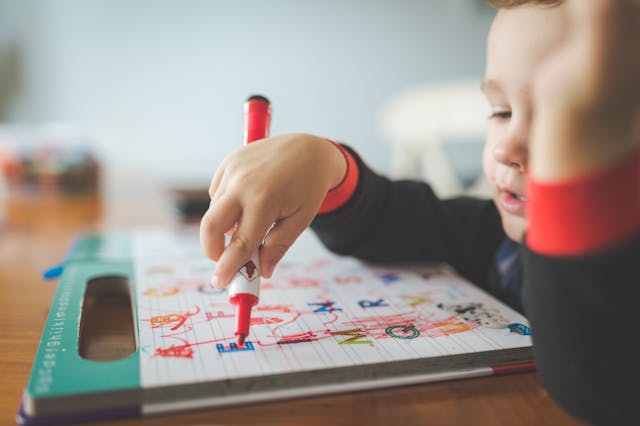
Toddler learning to write

Based on the above, Seek2Learn is dedicating this site to all parents of children under the ages of 11 years who are happy and willing to take their children on the journey of having fun whilst engaging in learning with multisensory, interactive games and activities that allow children to see, hear, touch and engage as they learn at the comfort of their homes or suitable environment for children with controlled and supervised internet access.

Professor Ariel Kalil suggested that parents aren’t born to be types of parents: rather parenting is characterised by the decision parents make about how and how often, they invest in their child/ren to help them flourish.

Raising children and investing in them is a group enterprise that gives the children important inputs from their loved ones who promotes and nurtures their development together with the states who provides schools from an early age to higher education. Seek2learn has provided the opportunity for collaboration and partnership with parents to engage with their children, spend quality time to talk, play and build their sense of curiosity. Accessing our bulletins informs parents on basic parenting skills on child development matters.   

Seek2Learn is a virtual site where children explore topics of interest through games to help their critical thinking, literacy, the world around us and mathematics drilling concepts. They learn primarily by carrying out the tasks on the site whilst getting parental/carer’s support and guidance.

Seek2Learn activities are research – based and aligned with most elementary curriculum especially the Early Years Foundation Stage Framework for Key Stage 1.

The curriculum emphasises play activities that encourages hands on work, comprehension, verbal reasoning, reading, phonemic awareness, systematic sequential phonics with audio visual interactivity which is effective for teaching young emergent readers under the age of 11 years. The games are fun, hit or miss for enjoying educational curiosity than getting specific subject matter.

The step – by – step activities of the curriculum is carefully designed for these ages of children progressively. As the children completes each activities, they are guided to the next one and happily motivated to continue as they wish and developing the skills of Self Directed Learning at an early age.

Our aim

Seek2Learn emphasises exploration, independence, play and positive reinforcement to encourage children to become confident learners that enjoys learning and intrinsically motivated.

Due to the engaging contents that ‘feel like play’ Seek2Learn serves as complimentary education to other entertainment choices for children.

Our Philosophy is to ”include” all children regardless of their background, with or without special educational needs or disability, and they should have the right to a fulfilled and purposeful opportunity to achieve and develop their full potentials alongside other children of any background. Every child will be able to access our site and find something interesting to do.

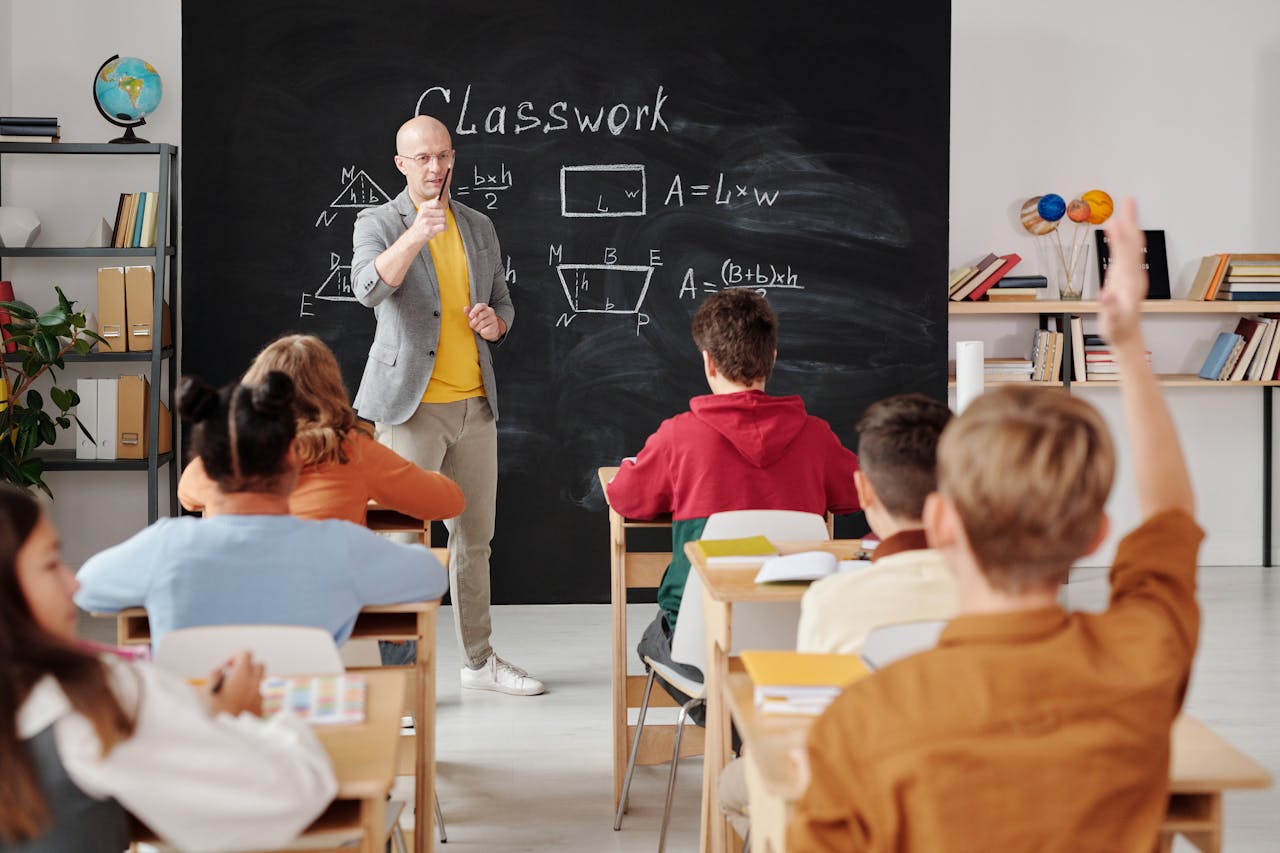
Children learning on school

Why is education important?

Education is a key factor in the welfare of children. In addition, it has a large effect on a country’s economy and the overall health of all its citizens. Education goes a long way, and investing in education is one of the most important ways with which we can improve our world.

The first three to six years play a key role in a child’s life as they begin to absorb the world around them and develop. These experiences that children have early in their lives affect their development physically, cognitively, emotionally and socially. The best investment to ensure the future success of a child is to invest in the early years of their lives, through education. The benefits include:
  • Children develop the healthiest when they are provided with the environments in which they can explore the world around them, play, learn to speak, and listen to others. This intimate interactions starts from home with the parents/carers and their extended families. Early neurological development affects the way one may learn later in life, if children don’t learn in their early childhood as they may have more trouble learning as they grow older in their future
  • Education is a powerful weapon that can reduce poverty, increase income, boost economic growth, increase the chance for one to have a healthy life, reduce early and maternal deaths, combat chronic diseases like HIV and AIDS, promote gender equality, reduce child marriage, exploitation and promote peace
  • Education can do so many things to improve lives, and it is one of the most important investments a country can make for its citizens and its future.

These are some enlightening statistics from the Global Partnership of Education that illustrate the importance of early childhood education and education as a whole:

  • One extra year of schooling increases an individual’s earnings by up to 10%.
  • Children of educated mothers are more likely to be vaccinated and less likely to be stunted because of malnourishment.
  • Each additional year of schooling raises average annual gross domestic product (GDP) growth by 0.37%.
  • A child whose mother can read is 50% more likely to live past the age of five.
  • If the enrolment rate for secondary schooling is 10 percentage points higher than the average, the risk of war is reduced by about 3 percentage points.
  • Wages, agricultural income and productivity are higher where women involved in agriculture receive a better education.
  • If all mothers completed primary education, maternal deaths would be reduced by two-thirds, saving 189,000 lives.
  • Having access to early education can provide children, who have been marginalized by poverty, ethnicity, disability, location or gender, with the means to engage in academics. For children living in disaster areas, education is lifesaving.
  • Schools provide structure and stability to help children cope with the trauma they’ve experienced, it offers them the opportunity to see their friends and socialize, and can potentially provide shelter in times of emergency.
  • Having their children return to school means parents can go back to work and provide for their families.
  • Education is consistently named one of the top priorities of parents and children affected by crises.

The problem

Around the world, over 150 million children ages 3 to 6 do not have access to pre-primary education.

This includes over 80% of the children living in low-income countries. In countries affected by emergencies, children lose homes, family, friends, routine and safety.

If children aren’t provided with a means for education, they are at risk of losing their futures too. Over the last 50 years the world has seen increasing numbers of crisis stemming from conflict, natural disasters and epidemics.

Many of these crisis span entire childhoods and persist for generations, which jeopardises not only the future of each child but the entire community.

What can we do to help?

Though there has been progress made over the last few years, there are still millions of children denied their right to education. Poverty persists through generations in communities without access to education, and education is a basic human right. As declared in the Universal Declaration of Human Rights and the United Nations Convention on the Rights of the Child, each boy and girl has the right to a quality education. With an education, these children can have more chances in life like employment opportunities and political participation. Countries that provide this quality early childhood education to their citizens tend to outperform countries that do not properly educate their youth.

Pre-primary education exists in many countries, but children from poor families, in remote rural areas, who speak minority languages, have disabilities or are affected by emergencies, cannot afford them and miss out. Lack of investment by governments is a large problem in low and middle-income countries, and unless governments, donors and partners provide more funds for early education, then the learning crisis and economic inequality will persist.

Though education has enormous benefits for children, it is often one of the first services lost in crisis areas, and the last service restored to a crisis area. This is where Seek2Learn comes in to align with schools or early years service providers to use this site in their respective Countries and schools, provide computers with internet access using solar energy in a secured hub where children can access our resources free of charge without payment. Any donation you make to Seek2Learn will be used mainly for the above.

References:

[1] Encyclopedia on Early Childhood Development. (2011) Importance of early childhood development.
[2] Global Partnership for Education. (2017). Early Childhood care and Education.
[3] Hertzman, Clyde. (2010). Framework for the Social Determinants of Early Child Development. Encyclopedia on Early Childhood Development.